
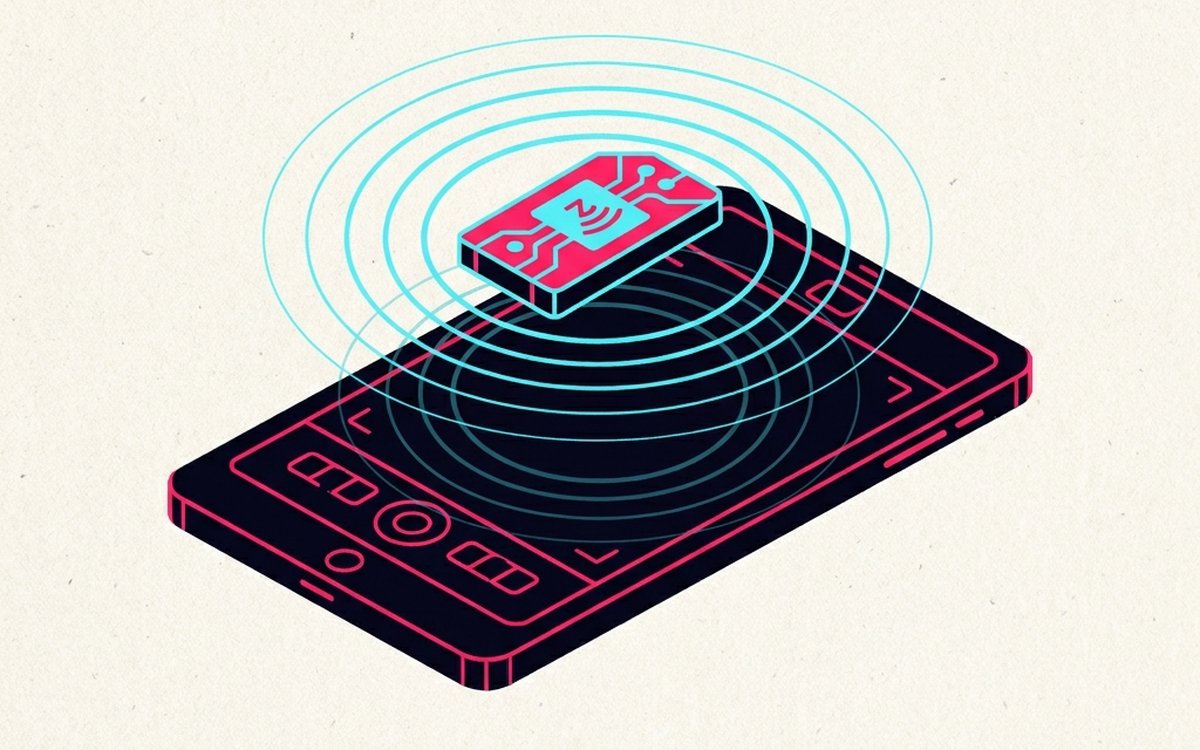
One of the more interesting Wii U launch-window rumors came in mid-2012, before the console had shipped. The claim: Nintendo would integrate near-field communication (NFC) into the Wii U GamePad and use it to read physical “gamer cards” that would unlock content, transfer save data, or function as game licenses. The post drew 17 backlinks and was widely reposted in the European Nintendo press chain.
The rumor described a feature that turned out to be partially true, partially wrong, and partially invented later — which is a more interesting outcome than the standard pre-launch hardware leak.
What Nintendo actually shipped
The Wii U GamePad did include an NFC reader. It was on the touchscreen face, integrated into the GamePad’s lower surface. This was confirmed in Nintendo’s pre-launch hardware documentation and was a real, present feature on every shipped GamePad unit. The 2012 rumor’s NFC hardware claim was accurate.
What did not ship at Wii U launch was any meaningful software use of the NFC feature. The GamePad’s NFC reader sat unused across the entire Wii U launch window and most of the platform’s first eighteen months.
The eventual implementation came in November 2014 with Amiibo. The Amiibo line of NFC figurines was announced at E3 2014 and launched alongside Super Smash Bros. for Wii U. Amiibo figures could be tapped on the GamePad’s NFC reader to unlock character data, training-mode content, and (later) Amiibo-specific gameplay features in titles like Mario Kart 8, Splatoon, and The Legend of Zelda: Breath of the Wild.
So the 2012 rumor was right that Wii U would have NFC. It was wrong about the format (figurines, not cards), wrong about the use case (collectibles and content unlocks, not game licenses or saves), and wrong about the timing (two years after launch, not at launch).
Why the “card” form factor didn’t happen
The rumor’s “gamer card” framing reflected a 2012 expectation that NFC consumer products would converge on credit-card-sized form factors, similar to contactless payment cards. Nintendo’s eventual choice of figurines instead of cards was driven by two factors: the licensing economics of the figure market (Skylanders had already proven the figure model commercially), and the broader collectibility appeal that figures support and cards do not.
Amiibo cards eventually shipped as a secondary product line — the Animal Crossing Amiibo cards launched in 2015 — but the figures dominated the line by sales volume and remain the canonical Amiibo format.
Why this rumor matters as a case study
The Wii U NFC rumor is one of the small set of pre-launch leaks that turned out to be structurally right while being wrong on every specific detail. The hardware capability was correctly identified. The strategic intent (use NFC for content unlocks and franchise tie-ins) was correctly identified. The implementation specifics — when, how, in what physical form — were all wrong.
This pattern is common with leaks that come from sources with hardware-specification visibility but limited insight into product-strategy decisions. Someone with engineering documentation could have known about the NFC component without knowing how Nintendo’s marketing and licensing teams would eventually use it.
Amiibo’s commercial trajectory
The Amiibo line ended up being a meaningful contributor to Nintendo’s Wii U-era revenue stabilization. Through 2024, Nintendo has shipped more than 100 million Amiibo figures across the original line and the various franchise-specific subsequent waves (Splatoon, Animal Crossing, Zelda, Smash Bros). The Switch carried Amiibo support forward, and the Switch 2 retains NFC compatibility for backward compatibility with the existing Amiibo library.
The 2012 rumor’s strategic instinct — that Nintendo would use NFC as a meaningful franchise-tie-in tool — was correct. The execution prediction was wrong by two years and several form-factor decisions.
About this URL
The original 2012 post is preserved at this URL via WordPress rewrite from its Ning community-blog origin. This retrospective scores the original NFC claim against the Wii U’s actual NFC implementation and the Amiibo line’s eventual commercial trajectory. For broader Nintendo hardware coverage, see the Nintendo section.