
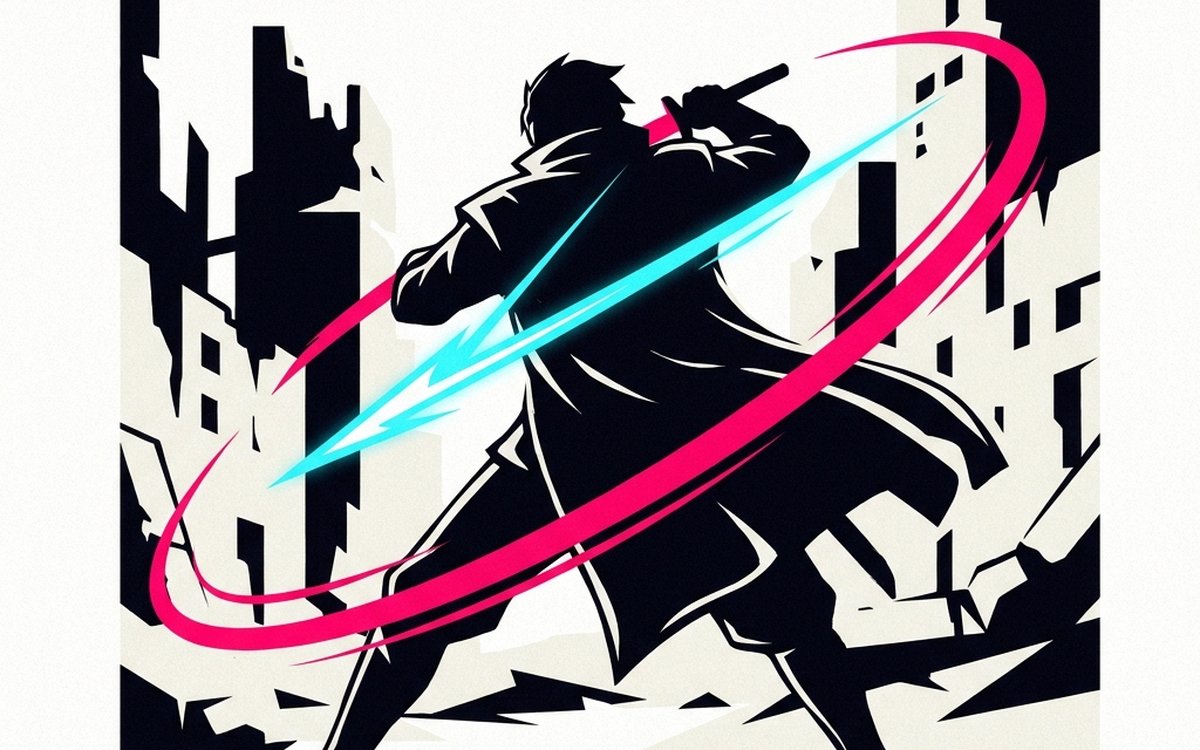
Shift Up’s Stellar Blade is the studio’s first console release, and it is more confident than first console releases usually are. Launched April 26, 2024 on PS5 (with a PC release following in 2025), Stellar Blade is a 25-30 hour character-action game built around precise parry-based combat, distinctive art direction, and a story that mostly stays out of its own way.
Shift Up came to Stellar Blade from a mobile-game background — the studio is best known for the gacha title Goddess of Victory: NIKKE — and the transition from F2P mobile to premium console action could have gone badly. It mostly didn’t.
The combat carries the game
Stellar Blade’s combat is built around parry timing. Successful parries open enemies to extended combo windows. Failed parries punish hard, with most mid-tier enemies capable of one-shotting the protagonist Eve from full health. The risk-reward calibration is tight in a way that draws comparison to Sekiro, though Stellar Blade’s flow is faster and less posture-driven than From Software’s design.
The boss roster is strong. The Stalker fight in the Wasteland is the early standout. The Tachy duel in mid-game is the tonal centerpiece. The final boss sequence is a multi-phase showpiece that pulls together the game’s entire combat vocabulary. Boss timing patterns reward learning rather than memorization, which is the design distinction between rewarding action games and merely punishing ones.
Beta skills (the unlockable special-attack moves) layer combo extensions and crowd-control options onto the base parry-counter loop. By late game, a skilled player has 8-10 distinct combat tools to chain together, with meaningful build customization through the equipment and Beta skill slot system.
The art direction
Visual design is the second pillar. Stellar Blade leans into stylized character silhouettes, vivid color palettes in the post-collapse city zones, and creature design that swings between elegant and grotesque. The Naytibas (the game’s primary enemy faction) are individually distinctive — each major encounter type looks and moves differently, and the boss-tier Naytibas are some of the most memorable creature designs of the PS5 generation.
The protagonist Eve’s character design has been the subject of considerable online discourse, often more than the game itself. The design is intentional — Shift Up’s stated artistic direction is unapologetic about character aesthetics — and either resonates with players or doesn’t. The combat and exploration loop work the same regardless.
The exploration is partial
Stellar Blade is not a fully open-world game. It uses a hub-and-spoke structure with two semi-open regions (the Wasteland and Altess Levoire) and a series of more linear chapter zones connecting them. The semi-open regions have meaningful exploration content — environmental puzzles, optional sub-quest characters, hidden equipment — but the structure is closer to Bayonetta or Devil May Cry than to Elden Ring.
For players expecting an open-world action RPG, this can disappoint. For players expecting a focused action game with optional exploration, the structure works well. The 25-30 hour campaign length feels appropriate to the design rather than padded.
The story is competent and gets out of the way
Stellar Blade’s narrative is post-apocalyptic science fiction. Earth has been overrun by the Naytiba creature faction. Survivors live in a remnant city. Eve is part of an off-world military force sent to reclaim the surface. The plot follows expected beats with one substantial mid-game twist that recontextualizes the protagonist’s position. The voice cast is uneven but Eve’s English performance carries the load capably.
The narrative is not the reason to play Stellar Blade. The combat is. The story holds together adequately to support the combat without distracting from it, which is the right design priority for the genre.
Performance
The PS5 launch version targets either 60 fps Performance Mode or 30 fps Quality Mode. Performance Mode is the right choice for Stellar Blade — the combat depends on responsive timing, and the visual difference between the modes is small enough that the framerate matters more. The PS5 Pro release in late 2024 added a 60 fps Quality option that became the default for most players.
Loading times are fast. Hitches and stutter are rare. The combat-input pipeline is responsive enough that mistimed parries feel like player error rather than engine error, which is the floor that any parry-based action game needs to clear.
The PC release
The 2025 PC release added native ultra-wide support, raised framerate caps, and corrected most of the PS5 base version’s compromises. Hardware requirements are reasonable — the game runs well on mid-range cards from the early 2020s. The PC release also included the post-launch DLC content and patches as a single package, making it the recommended platform for first-time players going forward.
Score
Stellar Blade succeeds at exactly what it sets out to do: a precise, stylish, focused character-action game with strong boss design and a confident art direction. It is not trying to compete with open-world prestige RPGs and it doesn’t pretend to. Within its category, it is one of the strongest releases of the PS5 generation.
The combat depth rewards the 25-30 hour investment. The post-game New Game+ mode adds meaningful content. The DLC pack released late 2024 added a satisfying epilogue chapter.
8.5 / 10. Best-in-category combat, strong art direction, focused design that knows what it is. Shift Up’s transition from mobile to console works.
Reviewed on PS5 Pro after the post-launch patches. Reviewer purchased the standard retail copy.